Tooth Hypersensitivity – Symptoms, Causes, Treatment

FACT CHECKED
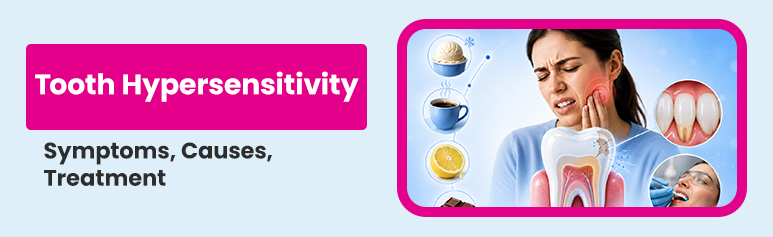
Cold water. A sip of tea. A bite of ice cream. If these or something else is sending a quick, sharp pain through your tooth, you may have tooth hypersensitivity.
Tooth hypersensitivity occurs when the inner layer of your tooth loses its cover. And then the layer starts reacting to things it used to ignore completely. The pain can come from worn enamel, receding gums, or even a recent whitening treatment.
Here’s the good part. Most cases get better once you know tooth hypersensitivity: causes, symptoms, and solutions.
This guide clinically reviewed by Dr. Sreekanth Kandepu, MDS, Radiant Dental Carewalks you through the signs to watch for, why sensitivity happens, and what actually brings relief.
What Is Tooth Hypersensitivity? Explained By Experts
Tooth hypersensitivity is a quick, sharp pain in your teeth. It shows up when hot, cold, sweet, or sour foods touch a part of your tooth called dentin.
Dentin sits just under your enamel, which is the hard outer layer of your tooth. Enamel protects dentin from the outside world. When enamel wears down, or your gums pull back, dentin gets exposed.
Tiny tubes inside the dentin lead straight to the nerve. That’s the exact reason the pain feels so sudden and so sharp.
A large research review in the Journal of Dentistry looked into how common this really is. It found that about 11.5 percent of people have this condition. And most dentists at a dental clinic in Chennai see a case like it every week.
Tooth Hypersensitivity Symptoms To Look For
The pain from tooth hypersensitivity comes on fast. It usually leaves just as fast, once the trigger is gone. Here are the signs to watch for.
- A sharp pain when you drink something cold
- Discomfort right after eating something hot
- Pain from sweet foods or acidic drinks, like soda or citrus fruit
- A quick twinge when cold air hits your teeth
- Soreness near the gum line while brushing or flossing
Sensitivity pain fades within a few seconds once the trigger is gone. Pain that lasts much longer, or shows up even with plain water, points to a cavity or a cracked tooth. Either way, it’s worth having a dentist from the best dental clinic in Chennai take a real look instead of guessing at home.
What Causes Tooth Hypersensitivity?
Most tooth hypersensitivity cases come down to one thing. The dentin inside your tooth has lost its cover. Here’s what usually causes that to happen.
- Gum recession, which uncovers the root of the tooth
- Enamel erosion from acidic food, frequent vomiting, or acid reflux
- Brushing too hard, which wears down enamel over time
- Grinding or clenching your teeth, often during sleep
- A recent teeth whitening treatment
- A cracked tooth or an old filling that no longer fits well
Gum recession is one of the biggest causes on this list. If your gums have been pulling back, that’s likely where your pain is coming from. In that case,gum treatment usually helps more than any toothpaste ever could.
What are the Best Tooth Hypersensitivity Treatment Options?
The right tooth hypersensitivity treatment depends entirely on what’s actually causing your pain. A dentist can find that out during a proper check-up. Guessing using random products from a pharmacy shelf rarely fixes the real problem underneath.
| Approach | What It Involves | Best For |
|---|---|---|
| Desensitizing toothpaste | Blocks nerve signals with regular use over a few weeks | Mild, spread-out sensitivity |
| Fluoride varnish | A quick in-clinic coating that strengthens enamel | Early enamel wear |
| Dental bonding | A resin coating placed over an exposed or worn spot | Sensitivity in one or two teeth |
| Gum graft | New tissue placed over an exposed tooth root | Sensitivity from gum recession |
| Root canal treatment | Removes the nerve inside the tooth | Severe pain that hasn’t improved with anything else |
Most people find relief with the simpler options in this table. Root canal treatment stays a last resort. It’s saved for pain that’s constant and severe, well past what ordinary sensitivity feels like.
Get Relief From Tooth Sensitivity At Radiant Dental Care.
See a dentist soon if your pain lasts well beyond the trigger. If it wakes you up at night, or if it sits in just one tooth instead of several. These patterns usually mean something more than simple sensitivity. Finding the actual cause works far better than covering the pain with toothpaste for months.
Radiant Dental Care runs an affordable dental clinic in Chennai across ten locations. Our dentists look for the actual cause behind your pain, not just the symptom on the surface. Book a consultation at : +91 9513446186 and finally get a straight answer about what’s causing the pain.
Frequently Asked Questions
Is tooth sensitivity a sign of a serious problem?
Not usually. Most cases come from worn enamel or gum recession, and both can be treated. Pain that wakes you at night is different, though, and that one needs quick attention.
Can sensitive teeth get better without treatment?
Sometimes, yes. Gentler brushing alone can ease mild sensitivity within a few weeks. Sensitivity from gum recession or enamel loss usually needs real treatment instead.
Does whitening always cause tooth sensitivity?
No, not for everyone. Some people feel mild sensitivity after whitening, especially with stronger treatments. It’s usually temporary and fades within a few days.
What toothpaste actually works for sensitive teeth?
Toothpaste with potassium nitrate or stannous fluoride can help block nerve signals. Give it a few weeks of steady use before expecting real results.
How long does dental treatment for sensitivity take?
It depends on the treatment you need. Fluoride varnish or bonding usually takes a single visit. Gum grafts and root canals take longer, and your dentist will walk you through the recovery time.
Categories:
- Braces
- Cavity
- Crossbite
- Dental Bridge
- dental care
- Dental Clinic
- Dental Crown
- dental health
- dental hospital
- Dental Implants
- Franchise
- Home dentist
- invisalign
- Mamelons
- News
- pediatric dentist
- Root Canal Treatment
- Smile Makeover
- Teeth Aligners
- teeth alignment
- teeth cleaning
- teeth whitening treatment
- tooth extraction
- Tooth Hypersensitivity
- Uncategorized
Trending Posts
 +91 9513446186