Glycerine: A Natural Remedy for Mouth Ulcers

FACT CHECKED
You’ve got a mouth ulcer. It stings when you eat, burns when you drink, and makes talking uncomfortable. Someone told you to try glycerine. You want to know if it actually works before you go looking for it.
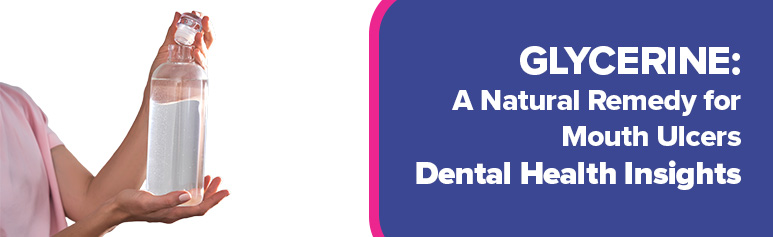
It does. Glycerine, a clear, thick liquid used in food and medicine, protects the ulcer, reduces pain, and helps the sore heal faster. Most common mouth ulcers heal on their own within 7 to 14 days. Glycerine makes those days more comfortable and may shorten the healing time.
The dental team at Radiant Dental Care across Chennai sees patients with recurring mouth ulcers regularly. This guide covers exactly how glycerine works, the right way to use it, what you can safely combine it with, and the clear signs that mean it’s time to see a dentist rather than treat at home.
Does Glycerine Actually Work for Mouth Ulcers?
Yes, and here’s why. Glycerine is a humectant, which means it pulls moisture from the air and holds it on the surface it’s applied to. When you put glycerine on a mouth ulcer, it does three things at once.
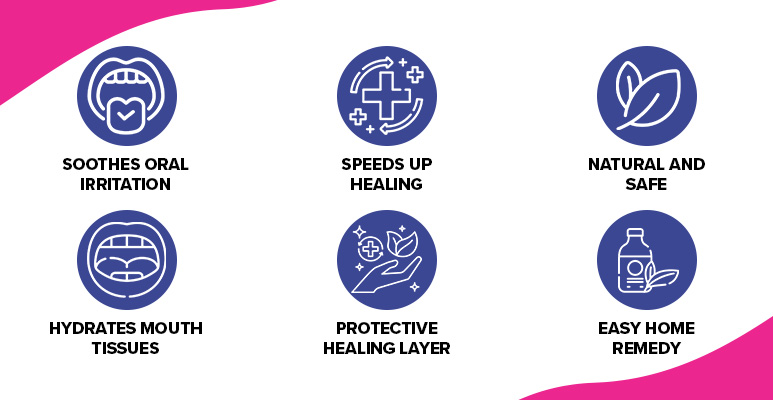
- It creates a protective layer. Glycerine sits on the surface of the sore and shields it from food, drink, and saliva. Every time you eat or drink, those things scrape and irritate the ulcer. The glycerine layer reduces that contact and cuts down the pain.
- It keeps the ulcer moist. Dry ulcers crack, bleed, and take longer to heal. Glycerine prevents that from happening by keeping the tissue hydrated. Moist tissue heals faster than dry tissue.
- It slows bacterial growth. Glycerine has a mild antimicrobial effect. It doesn’t kill bacteria the way an antiseptic does, but it makes the environment inside the ulcer less hospitable to the bacteria that can slow healing or cause secondary infection.
What Glycerine Cannot Do?
Glycerine relieves symptoms and supports healing. It doesn’t fix the underlying cause. If your ulcers keep coming back because of a nutritional deficiency, stress, or a health condition, glycerine will help each individual ulcer, but won’t stop new ones from forming. That’s where a dentist’s assessment becomes important.Glycerine relieves symptoms and supports healing. It doesn’t fix the underlying cause. If your ulcers keep coming back because of a nutritional deficiency, stress, or a health condition, glycerine will help each individual ulcer, but won’t stop new ones from forming. That’s where a dentist’s assessment becomes important.
How to Use Glycerine for Mouth Ulcers: Step by Step!
Always use food-grade or pharmaceutical-grade glycerine for anything inside your mouth. That’s the type you’ll find at a pharmacy. Don’t use industrial or scented glycerine.
Direct Application Method
This is the most effective way to use glycerine on a mouth ulcer.
- Rinse your mouth with clean water to remove food particles.
- Pat the area around the ulcer gently dry with a clean tissue. Glycerine sticks better to a dry surface.
- Dip a clean cotton swab in a small amount of glycerine.
- Apply it directly onto the ulcer. Cover the whole sore.
- Don’t eat, drink, or rinse for at least 20 to 30 minutes. This lets the glycerine sit and absorb properly.
- Repeat 2 to 3 times a day. Applying it just before bed works well because there’s no eating or drinking for several hours after.
Glycerine Mouth Rinse Method
This works well when the ulcer is in a hard-to-reach area, like near the back of the mouth.
- Mix 1 teaspoon of glycerine with half a cup of lukewarm water.
- Swish it around your mouth for 30 seconds.
- Spit it out. Don’t rinse with plain water immediately after.
- Use 2 to 3 times a day.
How to Choose the Right Glycerine Product?
Not all glycerine is the same. Here’s what to look for at the pharmacy:
- Food-grade glycerine: Labelled “food grade” or “USP grade.” Safe for oral use. This is the standard option.
- Pharmaceutical-grade glycerine: Higher purity. Found in medical supply shops. Either food-grade or pharmaceutical-grade works for mouth ulcers.
- Avoid: Industrial glycerine, scented glycerine, or glycerine blended with other chemicals. These aren’t meant for use inside the mouth.
A pharmacist can point you to the right product if you’re unsure.
What Can You Combine with Glycerine for Faster Relief?
Glycerine works on its own. Some combinations can offer additional relief, though these are home care options, not clinical treatments.
- Glycerine and Turmeric: Mix a small pinch of turmeric powder with a teaspoon of glycerine to form a paste. Apply directly to the ulcer. Turmeric has natural anti-inflammatory properties and is widely used in oral care. This combination is one of the most commonly recommended home remedies in Indian households and is cited in pharmacy-reviewed sources.
- Glycerine and Honey: Dab a small amount of honey onto the ulcer, then apply glycerine over it. Honey has antibacterial properties that complement glycerine’s moisture-retaining effect.
- Glycerine and Aloe Vera: Mix equal parts aloe vera gel and glycerine. Apply to the ulcer with a swab. Aloe vera soothes inflamed tissue and may reduce redness around the sore.
One thing to keep in mind: use one combination at a time for a few days before switching. If you try everything at once and something irritates the ulcer, you won’t know which ingredient caused it.
How Long Does It Take for Glycerine to Work?
- You’ll usually feel less pain within the first day or two of consistent use. The glycerine layer reduces the constant irritation from food and movement, so the sharp stinging decreases noticeably.
- The ulcer itself takes longer. Here’s a typical healing timeline for a common mouth ulcer with glycerine use:
- Days 1 to 2: Pain reduces as glycerine protects the sore from contact. Swelling around the ulcer may ease slightly.
- Days 3 to 5: The ulcer begins to shrink from the edges inward. The white or yellow centre starts to look smaller.
- Days 6 to 10: Most common mouth ulcers close up completely by day 10 with regular glycerine application and good oral hygiene.
- Beyond 14 days: If the ulcer is still present after 14 days, or if it’s getting larger instead of smaller, stop self-treating and book a dental check-up. An ulcer that won’t heal on its own needs a professional look.
What Causes Mouth Ulcers to Keep Coming Back?
If you get mouth ulcers often, glycerine treats the symptom. It doesn’t address why they keep appearing. Some oral conditions like bad breath and recurring gum irritation share the same triggers as mouth ulcers, particularly plaque buildup and dehydration. The most common reasons ulcers recur include:
- Nutritional Deficiencies: Low levels of vitamin B12, iron, or folic acid are closely linked to recurring aphthous ulcers, which is the clinical name for common mouth sores. A simple blood test can identify this. Supplements prescribed by a doctor often reduce the frequency significantly.
- Stress: Stress is one of the most well-known triggers. It doesn’t cause ulcers directly, but it lowers the body’s immune response and makes the oral tissues more vulnerable.
- Accidental Biting or Trauma: Biting the inside of your cheek, a sharp tooth edge, or an ill-fitting dental appliance can start an ulcer. If a rough tooth edge keeps causing ulcers in the same spot, a dentist can smooth it out quickly.
- Food Triggers: Spicy, acidic, and very salty foods can trigger ulcers in people who are already prone to them. Common culprits include tomatoes, citrus fruits, pineapple, and very spicy curries.
- Hormonal Changes: Some people notice ulcers appear around the same time each month. This is linked to hormonal fluctuations and is particularly common in women.
- Underlying Health Conditions: Coeliac disease, Crohn’s disease, and some immune conditions are associated with recurring mouth ulcers. If you get ulcers very frequently, a medical evaluation is worth considering.
When Glycerine Isn’t Enough: Signs You Need to See a Dentist!
Glycerine works well for typical small ulcers. There are situations where self-treatment isn’t enough and professional care is needed.
See a dentist if:
- The ulcer hasn’t healed after 14 days
- The sore is unusually large, more than 1 centimetre across
- You have multiple ulcers appearing at the same time
- The ulcer is very deep or has irregular edges
- You have a fever, swollen glands, or feel generally unwell alongside the ulcer
- Ulcers keep coming back every few weeks without a clear reason
- The sore is in the same location every time, which can sometimes be linked to a sharp tooth or appliance
An ulcer that doesn’t heal is not always serious, but it does need a clinical assessment. A dentist can examine the tissue, identify any contributing cause, and recommend treatment that goes beyond home care.
If you’ve been dealing with recurring mouth ulcers and want a proper evaluation, the team at Radiant Dental Care can assess what’s causing them and guide the right next step. You can also read more about keeping your mouth ulcer-free and what triggers recurrence to understand the patterns better.
Book an Appointment at Radiant Dental Care, Chennai
Glycerine is a safe, accessible way to manage most mouth ulcers at home. It works best for small, occasional ulcers that appear for known reasons. If your ulcers are frequent, large, or slow to heal, getting them checked at a dental clinic is the smarter step.
Radiant Dental Care is a trusted dentist in Chennai with specialist-led care across 10 clinics. Whether you’re dealing with recurring oral sores, underlying gum concerns, or need a general oral health check-up, the team is equipped to help. As the best dental hospital in Chennai for multi-specialty care, Radiant offers general dentistry, gum care, and preventive oral care including general dentistry and preventive oral care all under one roof.
Looking for the best dental clinic in Chennai near me? Radiant has branches in Adyar, Chromepet, Tambaram East, Nanganallur, Medavakkam, Navalur OMR, Perungudi OMR, Siruseri OMR, Guduvanchery, and Thiruporur.
Call +91 9513446186 or find your nearest dental clinic in Chennai to book a consultation.
Frequently Asked Questions
Can I use glycerine on my child’s mouth ulcer?
Yes. Food-grade glycerine is non-toxic and gentle enough for children. Apply a small amount with a clean cotton swab directly to the ulcer. For very young children, check with a paediatric dentist before using any home remedy regularly, particularly if the ulcers keep coming back.
Is it safe if I accidentally swallow glycerine while applying it?
Yes. Food-grade glycerine is safe to ingest in small amounts. It’s used as an ingredient in food products and medicines. Swallowing a small quantity during application won’t cause harm. Just avoid swallowing large amounts intentionally.
Can glycerine be used during pregnancy for mouth ulcers?
Food-grade glycerine applied topically to a mouth ulcer is generally considered safe during pregnancy. It’s non-toxic and doesn’t enter the bloodstream in the quantities used for ulcer treatment. That said, if you’re pregnant and experiencing frequent mouth ulcers, mention it to your doctor or dentist, as nutritional deficiencies in pregnancy can be a contributing factor.
Does glycerine work on tongue ulcers or only on cheek ulcers?
It works on ulcers anywhere in the mouth, including the tongue, inner cheeks, gums, and the floor of the mouth. The application method is the same. Tongue ulcers can be slightly harder to keep coated because the tongue moves constantly, so more frequent reapplication may be needed.
Can I use glycerine if I have braces or a dental appliance?
Yes. Glycerine won’t damage braces, retainers, or other dental appliances. If a brace bracket or wire is rubbing against your cheek and causing ulcers repeatedly in the same spot, glycerine will help with each ulcer, but the real fix is having the appliance adjusted. Let your orthodontic treatment provider know so the source of friction can be corrected.
Categories:
- Braces
- Cavity
- Crossbite
- Dental Bridge
- dental care
- Dental Clinic
- Dental Crown
- dental health
- dental hospital
- Dental Implants
- Franchise
- Home dentist
- invisalign
- Mamelons
- News
- pediatric dentist
- Root Canal Treatment
- Smile Makeover
- Teeth Aligners
- teeth alignment
- teeth cleaning
- teeth whitening treatment
- tooth extraction
- Tooth Hypersensitivity
- Uncategorized
Trending Posts
 +91 9513446186